

Sketch vs Drawing: What’s the Difference and Why It Matters
There is no use denying the fact that you are not the only one who has heard that person say, Oh, it is just a sketch, or whether drawing and sketching are one and the same thing. The two terms are very similar, and are used interchangeably, however, in the art world, they are used differently, have different mentalities and even with different tools.
Knowing the distinction between sketching and drawing does not only enhance your vocabulary in art, it can totally transform the way you do exactly what you do.
What Is a Sketch?
A sketch is usually the first idea on paper. It’s quick, loose, and focused on capturing the essence of something rather than perfection.
Key Characteristics of Sketching:
-
Fast and spontaneous
-
Light, loose lines
-
Focused on shapes, movement, and composition
-
Often unfinished or rough
-
Meant for exploration, not display
Sketching is where ideas are born. Artists sketch to:
-
Warm up their hands
-
Brainstorm concepts
-
Plan larger artworks
-
Capture fleeting moments or emotions
There are no rules in sketching and that’s the beauty of it.
What Is a Drawing?
A drawing is usually more refined and intentional. It often comes after sketching and focuses on detail, accuracy, and presentation.
Key Characteristics of Drawing:
-
Slower and more controlled
-
Cleaner, darker, confident lines
-
Emphasis on details, shading, and proportions
-
Often a finished piece
-
Created to be shared or displayed
Drawings are where ideas are polished. This is the stage where artists commit to:
-
Final outlines
-
Detailed shading
-
Textures and depth
-
Strong contrasts
Sketch vs. Drawing: The Core Differences
|
Sketch |
Drawing |
|
Quick & rough |
Detailed & refined |
|
Idea-focused |
Result-focused |
|
Light strokes |
Defined lines |
|
Planning stage |
Final artwork |
|
Low pressure |
Higher intention |
Both are equally important just at different stages of the creative journey.
Why the Difference Actually Matters
Understanding whether you’re sketching or drawing can remove a lot of creative pressure.
When artists confuse the two, they often:
-
Expect perfection too early
-
Fear making mistakes
-
Feel stuck or frustrated
But when you embrace sketching as a safe space for mistakes, your drawings naturally improve.
👉 Sketch freely.
👉 Draw intentionally.
Knowing when to switch from one to the other helps you:
-
Improve faster
-
Build confidence
-
Enjoy the process more
-
Create stronger final artworks
The Right Tools Make a Big Difference
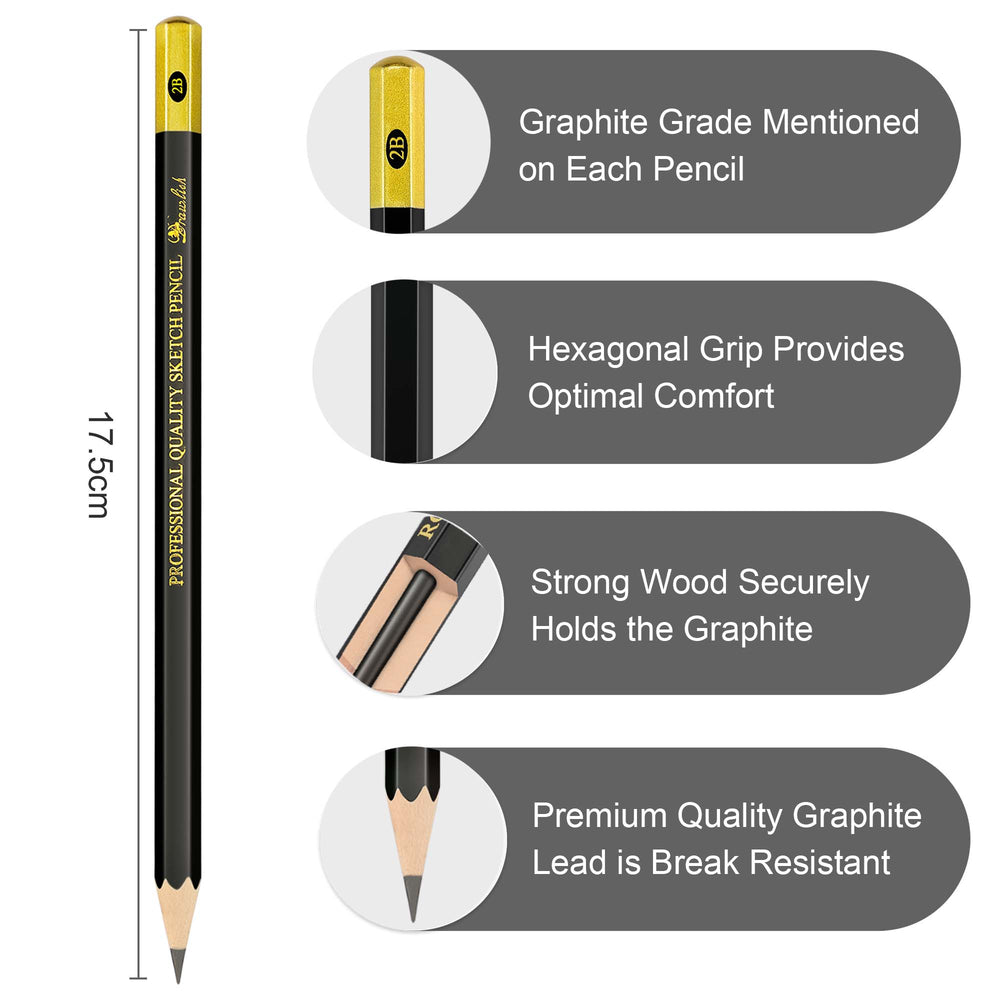
Because sketching relies on light, flexible lines and smooth control, the quality of your pencil really matters.
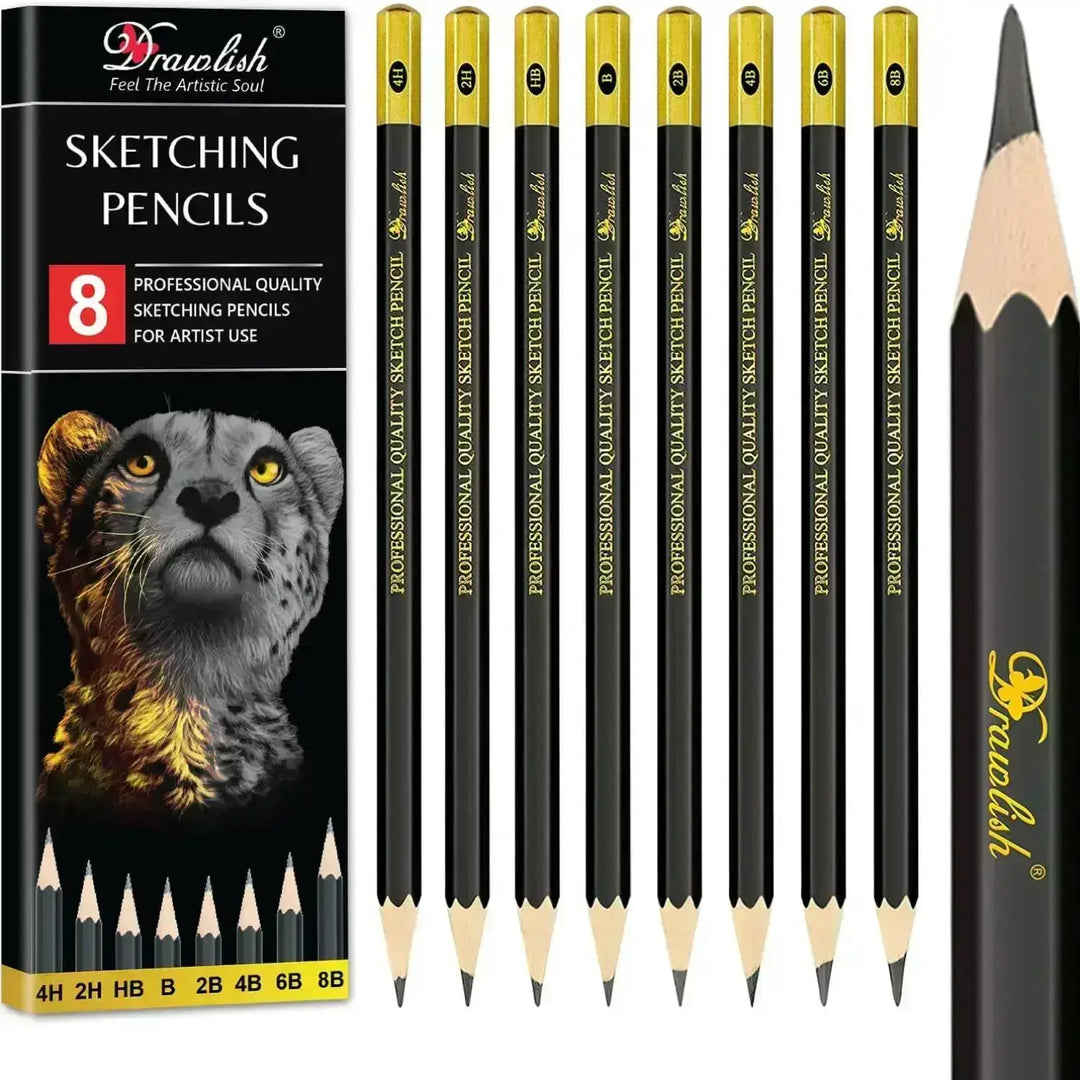
That’s where Drawlish Sketch Pencils shine
Designed for artists of all levels, Drawlish Sketch Pencils offer:
-
Smooth, consistent graphite flow
-
Perfect balance for light sketching and detailed drawing
-
Excellent control for shading, blending, and line work
-
Reliable performance for both beginners and professionals
Whether you’re mapping out quick ideas or refining a final drawing, these pencils adapt beautifully to both stages of your process.
You can explore them directly on Drawlish.com, making it easy to upgrade your sketching and drawing experience in one go.
Sketching and drawing aren’t competitors, they're partners.
Sketching gives you freedom.
Drawing gives you clarity.
When you understand the role of each, your art becomes more confident, more expressive, and far more enjoyable to create.
Leave a comment