

Step by Step Guide to Draw Hair Realistically
Creating realistic hair in a drawing is often seen as one of the most challenging aspects of portrait art. Many beginners tend to focus on individual strands, which can make the hair appear stiff or unnatural. In reality, drawing hair is about understanding structure, flow, and light. With the right approach and tools, you can achieve a natural, lifelike result.
This step-by-step guide will walk you through the process in a clear and practical way.
1. Observe the Natural Flow of Hair
Before you begin drawing, take a moment to study how hair naturally falls. Hair moves in sections, not isolated strands.
Pay attention to:
-
The direction in which the hair flows
-
How it curves around the head
-
Areas where it overlaps or gathers
Thinking in terms of shapes and movement will help you build a strong foundation.
2. Create a Light Foundation Sketch
Start with a gentle outline of the head and hair.
-
Define the skull shape first
-
Mark the hairline accurately
-
Sketch the overall hairstyle using light, loose strokes
Avoid pressing too hard at this stage, as flexibility is important for adjustments.
3. Break the Hair into Sections
To maintain clarity and structure, divide the hair into larger sections or groups.
-
Focus on major locks rather than individual strands
-
Identify where the hair naturally separates
-
Keep your lines clean and intentional
This approach prevents the drawing from becoming cluttered and helps guide your shading later.
4. Build Volume with Shading
Shading is essential for creating depth and realism.
-
Begin with light tonal values
-
Gradually build darker areas where shadows occur
-
Follow the direction of hair growth with your strokes
Smooth transitions between light and dark areas will give the hair a more natural appearance.
5. Add Texture with Controlled Details
Once the base shading is complete, you can begin refining the texture.
-
Use fine, deliberate strokes to suggest strands
-
Vary line weight to create dimension
-
Avoid excessive detailing focus on key areas instead
A balanced approach ensures the hair looks detailed without appearing overworked.
6. Introduce Highlights and Contrast
Light plays a crucial role in making hair look realistic.
-
Preserve lighter areas for highlights
-
Use an eraser to gently lift graphite where needed
-
Enhance contrast by deepening the darkest sections
This step adds vibrancy and realism to your drawing.
7. Refine and Finalize
In the final stage, review your work as a whole.
-
Smooth out any harsh transitions
-
Reinforce depth where necessary
-
Add subtle stray hairs for a natural finish
Small refinements can significantly improve the overall quality of your drawing.
The Importance of Quality Tools
While technique is fundamental, the tools you use can greatly influence your results. High-quality pencils allow for better control, smoother shading, and richer tonal variation.
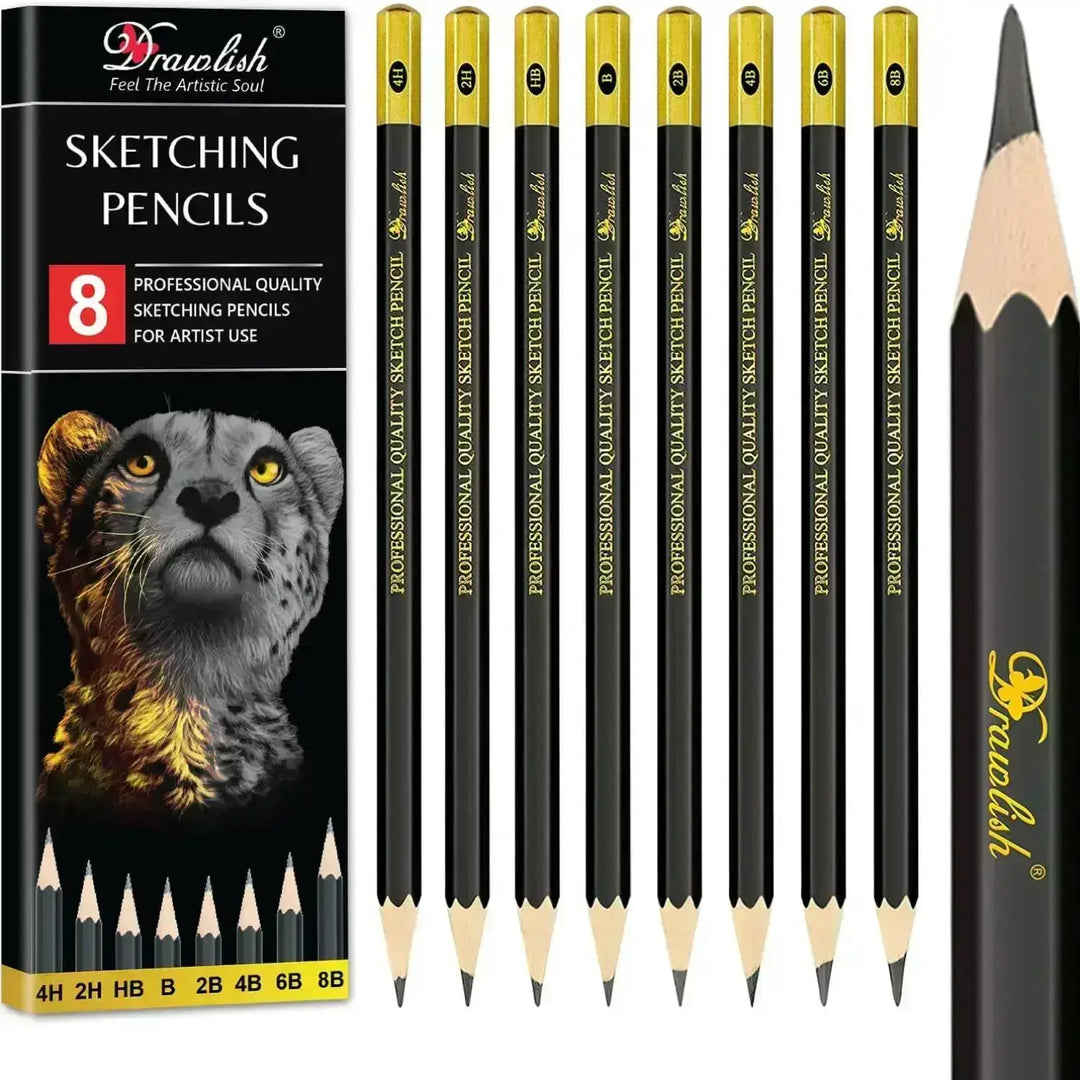
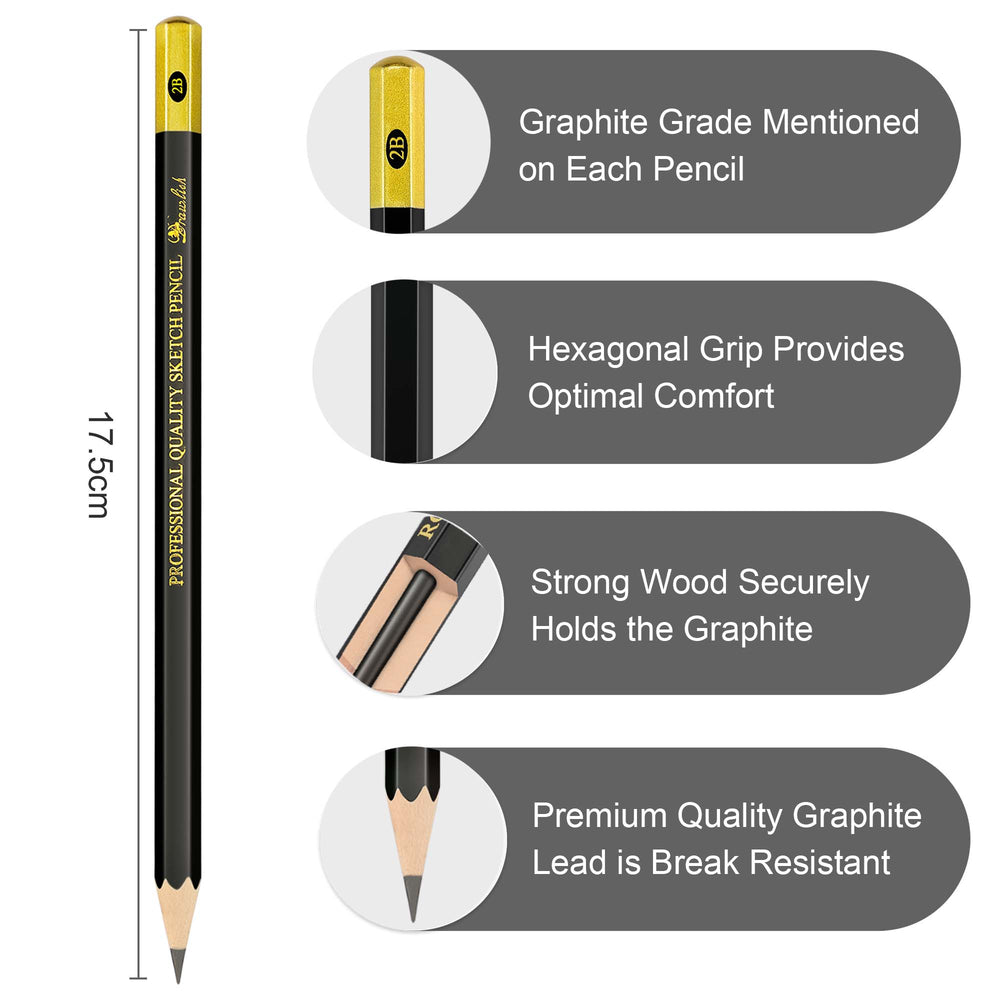
Drawlish Sketch Pencils are designed to support artists at every level. Their consistent graphite quality makes it easier to achieve clean gradients, precise detailing, and realistic textures especially when working on complex elements like hair.
If you’re looking to improve your drawing experience and results, you can explore these pencils on Drawlish.com.
Leave a comment