

Step by Step Guide to Draw Hands Without Mistakes
Hands are one of the most expressive and challenging parts of the human body to draw. Many artists struggle with them because of their complex structure, flexible movement, and subtle proportions. The good news is that drawing hands doesn’t require talent as much as it requires the right approach and consistent practice.
This guide will walk you through a clear, professional step-by-step method to help you draw hands confidently and avoid the most common mistakes.
Why Drawing Hands Can Be Difficult
Before jumping into the process, it’s important to understand the challenge. Hands consist of multiple joints, varying proportions, and constant motion. Even a small mistake in length or angle can make the entire drawing feel unnatural.
The solution is simple: break the hand into manageable shapes and build it gradually.
Step 1: Simplify the Hand into Basic Shapes
Start by sketching the foundation:
-
Draw a box-like shape for the palm
-
Use simple lines to indicate finger direction
-
Position the thumb separately at an angle
This initial structure acts as a guide and helps you maintain control over proportions.
Step 2: Establish Correct Proportions
Accurate proportions are essential for realism:
-
The middle finger is typically the longest
-
The index and ring fingers are slightly shorter
-
The pinky finger is the shortest
-
The thumb begins lower on the palm and extends outward
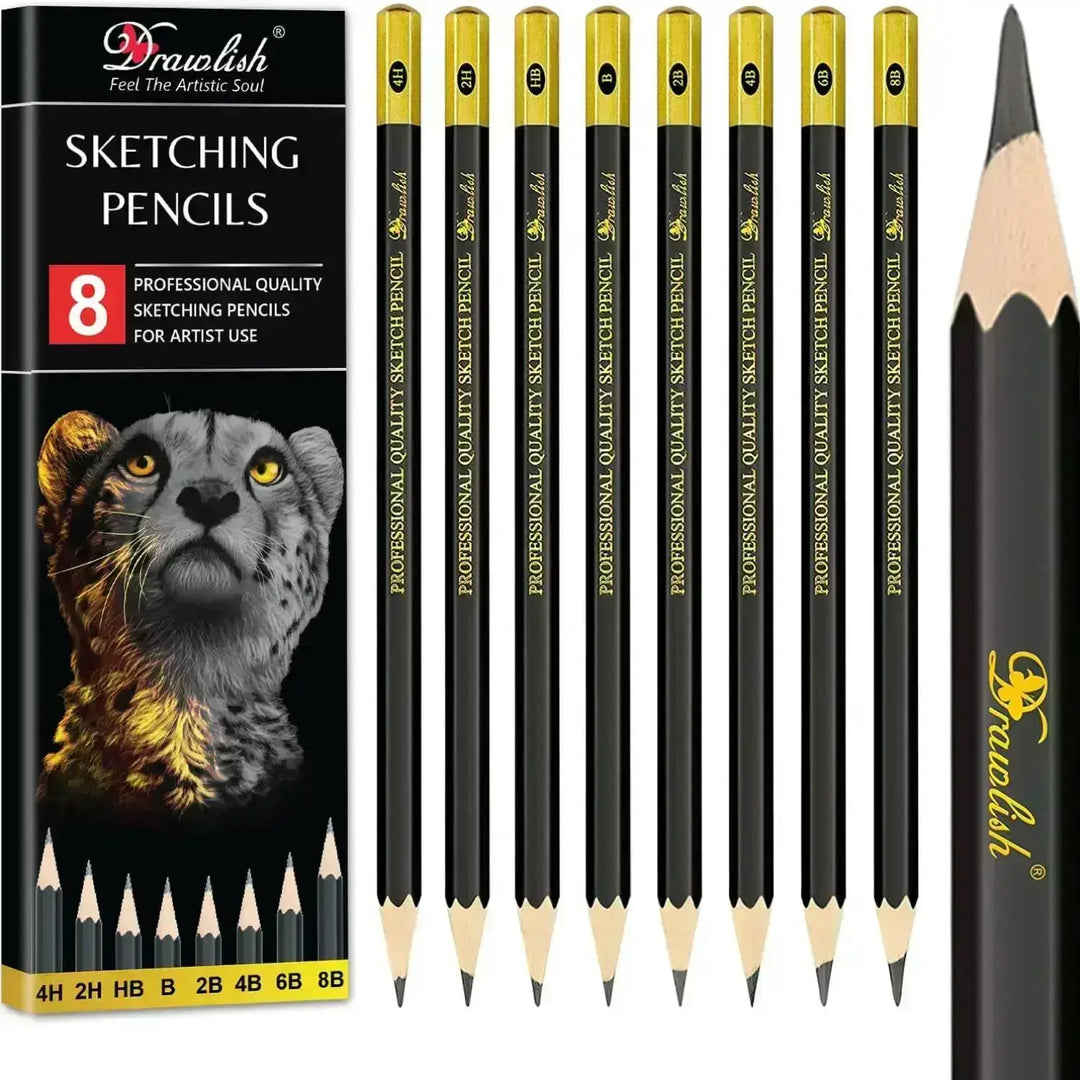
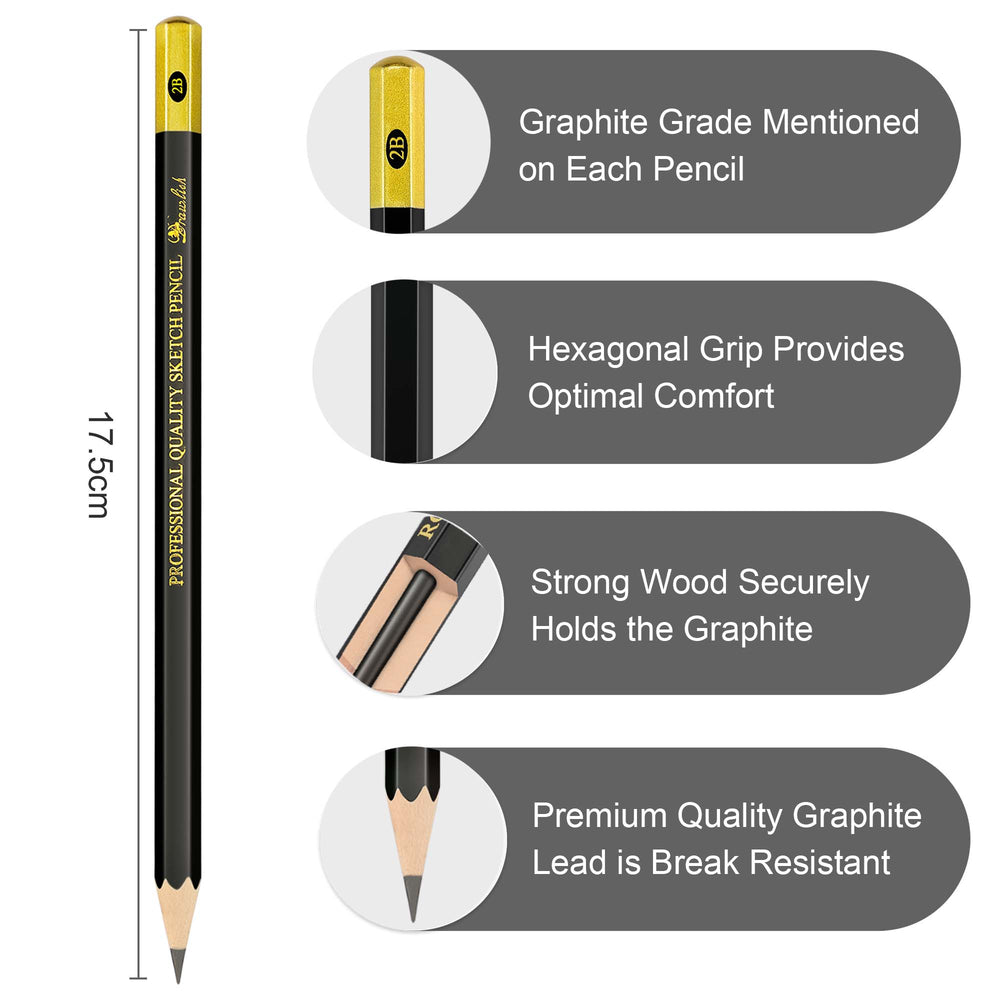
At this stage, keep your lines light so adjustments are easy. Using reliable tools like Drawlish Sketch Pencils allows for smooth, clean sketching without heavy marks.
Step 3: Build the Form in 3D
To avoid flat-looking drawings, start adding volume:
-
Turn finger lines into cylindrical shapes
-
Shape the palm as a rounded block instead of a flat surface
-
Introduce gentle curves to reflect natural anatomy
Thinking in three dimensions will immediately improve the realism of your drawing.
Step 4: Structure the Fingers Properly
Each finger is made up of three segments:
-
Divide fingers using joint markers
-
Add slight bends to avoid stiffness
-
Keep spacing natural and consistent
This step helps create a more lifelike and dynamic hand pose.
Step 5: Refine the Outline
Once the structure is in place, begin refining:
-
Clean up unnecessary lines
-
Smooth the outer edges
-
Adjust the shape of the thumb and fingertips
A controlled pencil like Drawlish Sketch Pencils is especially helpful here, allowing you to create precise, professional outlines.
Step 6: Add Subtle Details
Details should enhance the drawing, not overpower it:
-
Lightly indicate knuckles
-
Add simple nail shapes
-
Suggest skin folds with soft lines
Keeping details minimal ensures your drawing remains clean and natural.
Step 7: Apply Shading for Depth
Shading brings dimension and realism:
-
Add shadows under the fingers and along the palm
-
Darken areas where fingers overlap
-
Maintain a consistent light source
High-quality pencils such as Drawlish Sketch Pencils make shading smoother and more controlled, helping you achieve soft gradients and depth without harsh lines.
Common Mistakes to Avoid
Even with practice, it’s easy to fall into these traps:
-
Making all fingers the same length
-
Drawing hands too flat without depth
-
Overworking details too early
-
Misplacing the thumb
-
Keeping fingers too straight and rigid
Being aware of these mistakes is the first step to avoiding them.
Learning to draw hands is a gradual process, but it becomes far more manageable when you follow a structured approach. Focus on building the hand step by step starting with simple shapes, refining proportions, and adding detail only when the foundation is solid.
With consistent practice and the right tools, such as Drawlish Sketch Pencils, you’ll notice steady improvement in both accuracy and confidence.
Leave a comment